Frequently asked questions
What is Licella’s experience with End-of-Life (waste) plastics recycling?
Licella are global technology pioneers in hydrothermal liquefaction (HTL), the next-generation of advanced recycling.
Our first Cat-HTR™ Pilot Plant was commissioned in 2007 in Somersby in NSW.
Since 2017, we have adapted this technology to process End-of-Life plastics. In 2019 we established a small pilot plant in Somersby for specific use with plastics. The first full scale commercial advanced recycling plant to use our Cat-HTR™ technology is complete and in final commissioning in the United Kingdom (under technology licensee Mura).
Will ARV's Advanced Recycling facility impact potable water usage?
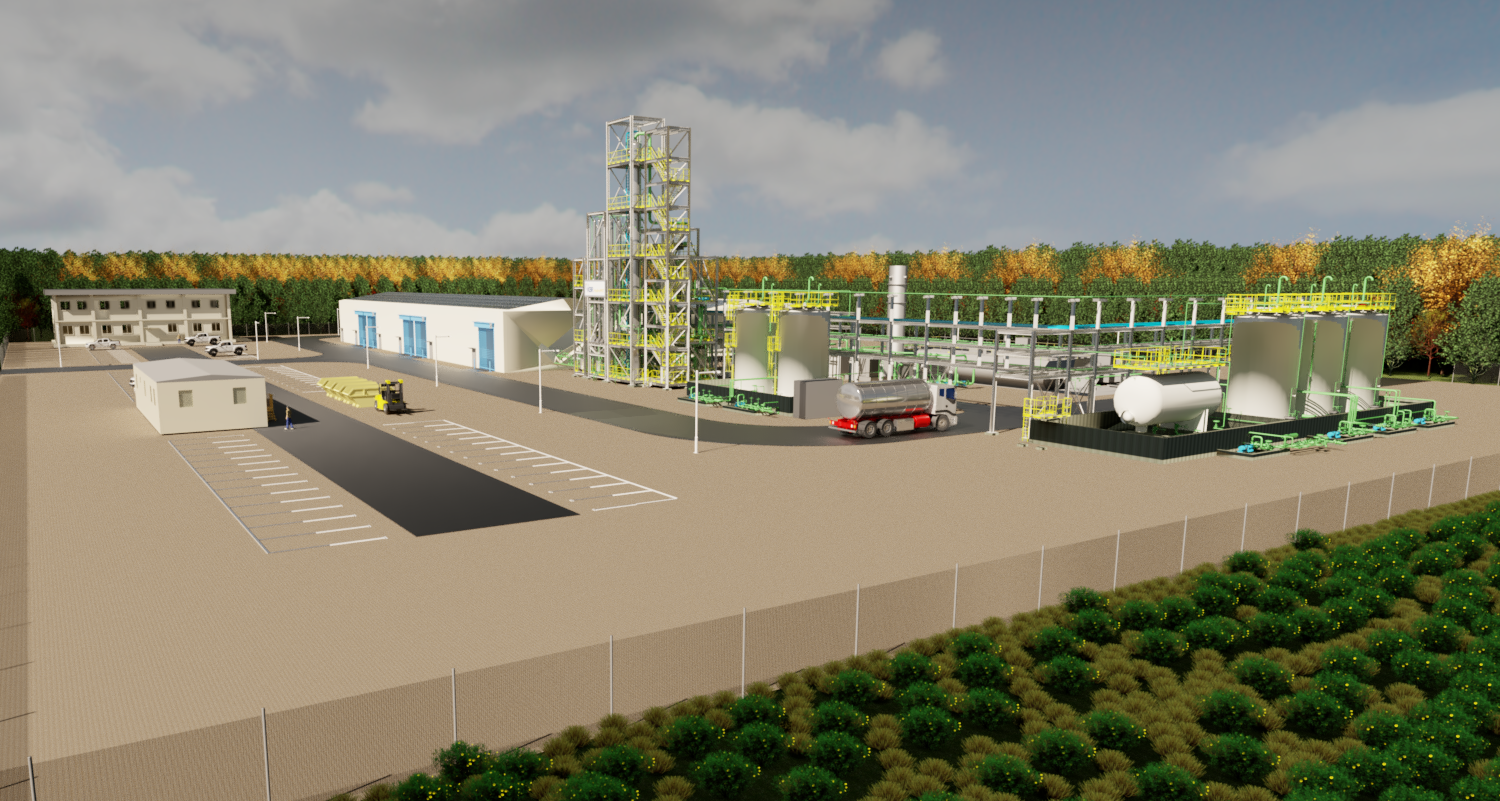
ARV’s Advanced Recycling facility proposes to use recycled industrial water, with potential supply from Greater Western Water (GWW).
GWW produces 100% recycled industrial water at its Altona water treatment plant. The use of recycled industrial water for ARV’s Advanced Recycling facility will mean that there is no impact on potable water usage for the rest of the community.
Will the air quality be impacted?
As with the community, we believe air emissions should be minimised. The proposal meets Victorian air quality standards.
However, we know that some members of the community feel these standards can be improved. We had the Advanced Recycling project air emissions modelling completed twice to exceed the standards using European and British emissions reduction technology, to ensure the least impact on the surrounding community and environment.
The facility will produce the following air emissions:
- Steam
- Some gasses from the water heating process – these will be reduced to below 2% of allowable levels through using exhaust scrubbers
- Minimal odour and noise
Will there be any residual materials?
For Licella, any leftovers from the process is a business cost impacting our bottom line. The experience to date from our two other operating plants (in NSW) show that apart from steam and some heat from the reactor, there are minimal unintended products from the process. We are confident in operating a clean and green facility.
What are the targeted waste streams?
We understand there are historic examples of facilities accepting wastes beyond their original intention. We know this happens when operators fail to find viable amounts of waste to process, leading them to search for other wastes, which may or may not be acceptable to community standards.
Therefore, we would like to assure the community that at this stage the proposed facility will target waste streams of the following plastics:
- High density polyethylene (HDPE)
- Low density polyethylene (LDPE)
- Polypropylene (PP)
The development of this proposed facility follows an extensive Pre-Feasibility Study conducted by Licella, in conjunction with independent consultants, to verify that the above-mentioned suitable feedstock was available for the facility.
How much waste plastic will you process?
The first stage of our project will process at least 20,000 tonners per annum. From our Pre-Feasibility Study conducted in 2021, we found an estimated 649,000 tonnes of End-of-Life plastic was available for processing.
Are there future plans to expand?
Our commitment is to be transparent and working alongside community, this includes any opportunity for expansion in future.
Our initial proposal is for a first module that will process 20,000 tonnes of mixed plastic waste. However, we anticipate that the ongoing supply of plastic waste will remain high and that demand for the recycled product will also increase. As such, it is likely that the facility will be expanded over time.
All future plans will be subject to community feedback and regulatory licencing.
How will this facility promote a sustainable future for plastic?
Plastic is a complex issue. Waste plastics packaging that is fit for purpose plays a key role in food safety, product longevity and product protection which reduces food waste.
We see Advanced Recycling as a bridging solution to a lower carbon future, it works within the Waste Hierarchy by reducing the total amount of virgin plastic we use. As a bridging solution, we are not enabling the plastic industry, we are helping it evolve to a more sustainable future.
Will there be increased truck movements in the residential area?
Truck movements in the residential areas will not be increased. The Advanced Recycling project is proposed to be located within existing industrial corridors.